Jill Nunn Burton’s The Wish Book is more than a historical novel; it is an intimate portrait of family, ambition and the fragile ways dreams survive loss.
At its emotional center is Robert May, a father trying to balance creative success at Montgomery Ward with the deeper responsibility of raising his daughter, Barbie, after the loss of his wife, Lynnie.
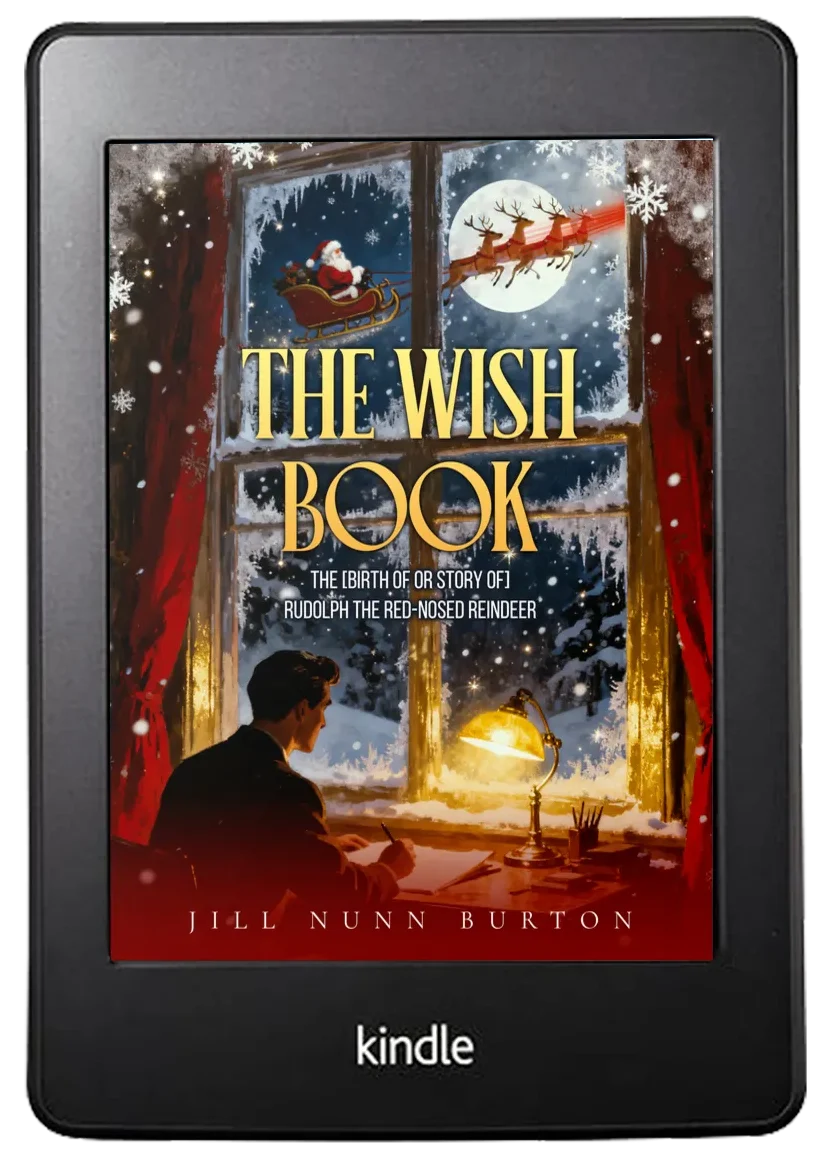
In the world of 1930s Chicago, where department store competition and holiday catalogs shape national imagination, Robert’s work becomes unexpectedly iconic.
Yet behind the success of the Rudolph story lies a quieter, more personal narrative, one shaped by grief, devotion and the unspoken bond between a father and his daughter.
Barbie becomes more than a child in the story; she represents continuity, hope and the reason Robert keeps moving forward even when life becomes uncertain.
As Rob navigates corporate pressures, copyright limitations and the emotional aftermath of loss, his dreams are tested in ways that feel deeply human and universally relatable.
The relationship between father and daughter becomes the emotional anchor of The Wish Book, grounding its larger themes of creativity, ownership and legacy in everyday tenderness.
Even as external forces shape Robert’s creations’ fate, it is his love for Barbie that ultimately defines success.
In this way, the story explores how dreams often outlive the people who first imagine them, carried forward by memory, music and storytelling.
Johnny Marks, Simon, Marty and others reflect the wider ecosystem that helps transform a simple idea into a cultural phenomenon.
Through these interconnected relationships, Jill Nunn Burton illustrates how creativity is never isolated but shaped by collaboration, timing and circumstance.
At its heart, The Wish Book is not simply about a holiday character, but about the emotional cost and reward of bringing something meaningful into the world.
It asks readers to consider what remains when success fades and what endures when love becomes the only true measure of value.
In Robert and Barbie’s story, we find a reminder that dreams are not always measured in profit or recognition, but in the lives they quietly shape.
The Wish Book ultimately stands as a tribute to resilience, to the enduring bond between parent and child and to the unseen legacy of ideas that refuse to fade.
Readers are invited into a world where a father’s determination meets a daughter’s innocence and where both become part of something far larger than themselves.
In Jill Nunn Burton’s storytelling, the personal and the historical intertwine, revealing how even corporate worlds can hold deeply human stories.
Ultimately, The Wish Book becomes a reflection of how love persists beyond loss, how creativity survives constraint and how a father’s dream can echo through generations.
It is this emotional truth that gives the novel its lasting power, allowing readers to connect with Robert and Barbie not just as characters, but as symbols of enduring hope.
Their journey reflects countless real families navigating hardship, imagination and the quiet determination to keep moving forward even when circumstances change dramatically.
For anyone who has ever balanced ambition with responsibility or creativity with loss, this story offers both recognition and comfort.
It reminds us that even the simplest ideas can carry extraordinary emotional weight when shaped by love, memory and time.
Legacy preserved here.
Visit my Profile : https://x.com/JillNunn21627
christmashistory #chicagohistory #historicalfiction #copyrightstory #holidaystory #rudolph #rednose